


When it comes to single wide homes, living room design can be a bit tricky. I’ve spent years helping homeowners make the most out of their compact spaces, and I know exactly how to maximize style without sacrificing comfort or practicality. Whether you’re working with a narrow layout or limited square footage, the right design choices can make your living room feel open, inviting, and truly yours.
So, what are the best single wide living room ideas? The key is to use smart furniture arrangements, clever lighting, and carefully chosen decor to create a spacious, cozy atmosphere. From minimalist setups to cozy farmhouse vibes, these ideas will help you turn your single wide living room into a beautiful, functional retreat.
Stick with me as I share 10 creative and easy-to-implement ideas that will not only enhance your living room’s look but also improve its flow and livability. You’ll discover practical tips, color schemes, and furniture hacks that work for all home styles, from modern to traditional.
Contents
- 0.1 Why Focus on Single Wide Living Room Ideas?
- 0.2 1. Open Concept Layout: Embrace Flow and Connectivity
- 0.3 2. Multifunctional Furniture: Double the Use, Half the Space
- 0.4 3. Vertical Storage and Shelving: Take It Up a Notch
- 0.5 4. Layered Lighting: Brighten Up Every Corner
- 0.6 5. Cozy Color Palettes: Warm Tones That Expand the Room
- 0.7 6. Furniture Arrangement for Flow: Keep It Open and Inviting
- 0.8 7. Statement Walls and Artwork: Personalize Without Overcrowding
- 0.9 8. Indoor Plants: Bring Life and Freshness
- 0.10 9. Light, Airy Window Treatments: Maximize Natural Light
- 0.11 10. Texture and Layering: Add Warmth and Depth
- 1 Wrapping Up: Make Your Single Wide Living Room Shine
Why Focus on Single Wide Living Room Ideas?
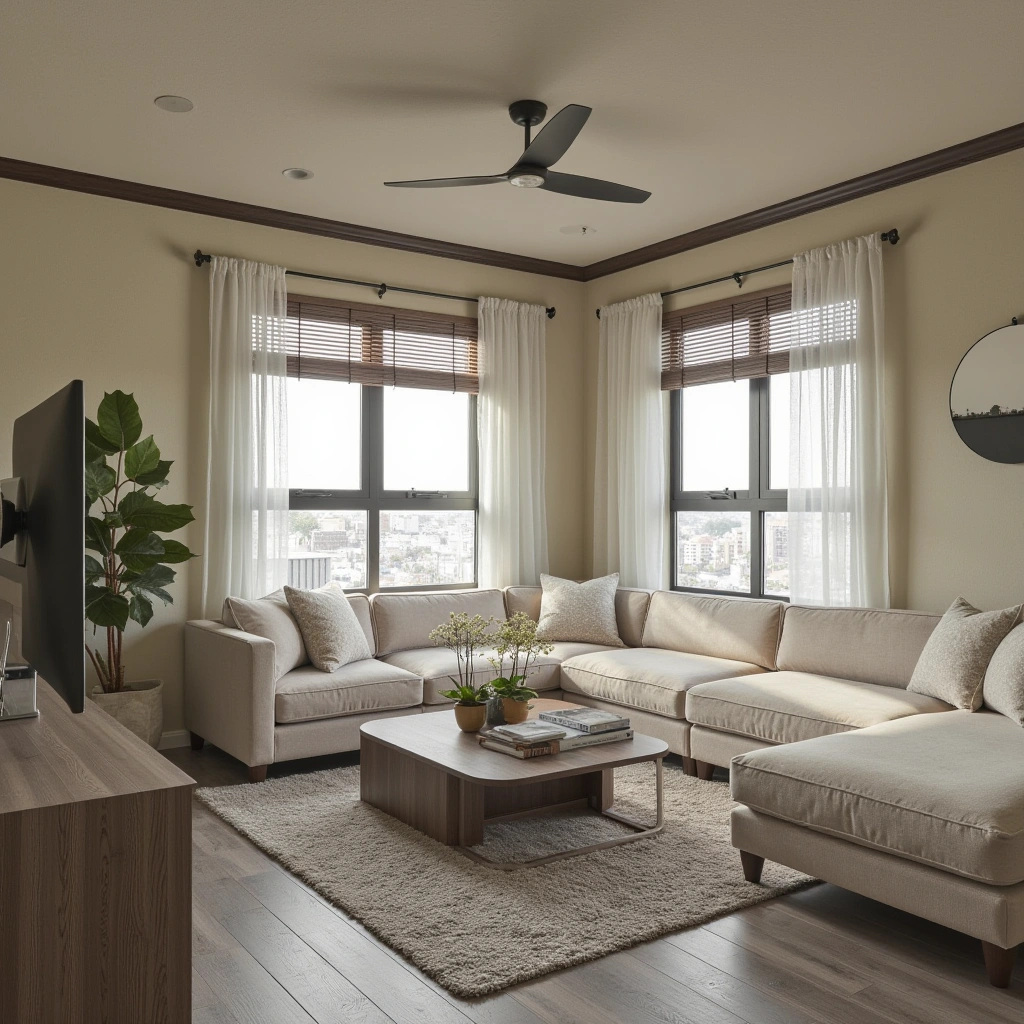
Designing a living room in a single wide mobile or manufactured home requires a unique approach. Unlike traditional homes, these spaces tend to be more linear and compact, which can make it tough to arrange furniture or create distinct zones. But with the right strategies, you can turn this challenge into an opportunity to craft a space that feels larger and more inviting.
Before we jump into the ideas, let’s chat about the basics: prioritizing multifunctional furniture, maximizing natural light, and choosing a cohesive color palette are game changers. These elements help open up the space and keep it from feeling cramped. Ready to dive into the ideas that will transform your living room? Let’s go.
1. Open Concept Layout: Embrace Flow and Connectivity
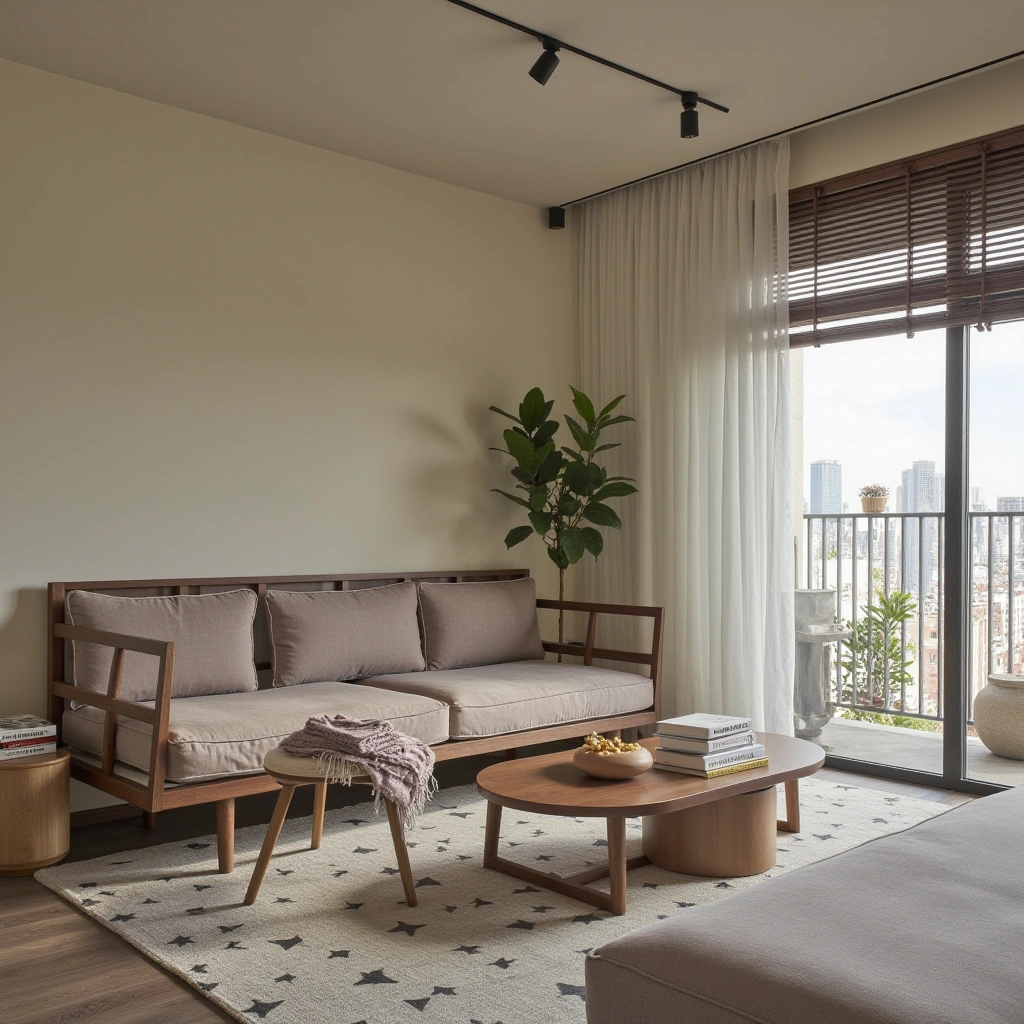
An open concept layout is perfect for single wide living rooms because it breaks up the narrow feel and allows for better movement. The idea is to keep furniture minimal and strategically placed to avoid blocking pathways.
Start with a slim sofa or loveseat paired with lightweight chairs. Avoid bulky pieces that eat up floor space. Use a low-profile coffee table or ottoman that can double as storage. For colors, think light neutrals like beige, soft gray, or pastels to amplify natural light.
Tip: Use area rugs to define seating zones without walls. This layout works wonders for modern homes that favor airy, uncluttered spaces.
Next, we’ll explore how multifunctional furniture adds versatility.
2. Multifunctional Furniture: Double the Use, Half the Space
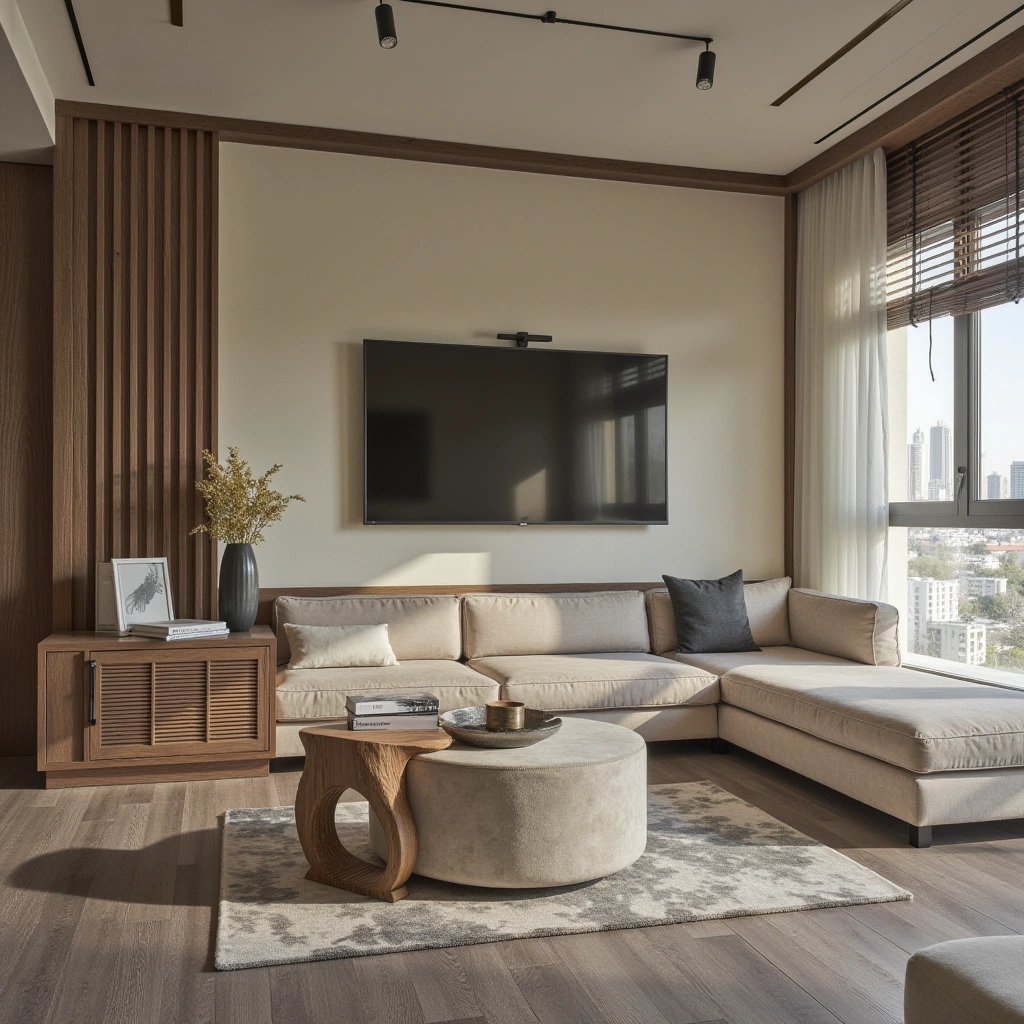
In a single wide living room, every inch counts. That’s why multifunctional furniture is a must. Think sofas with built-in storage, fold-out beds, or nesting tables.
For example, a storage ottoman can hold blankets and games while serving as an extra seat or coffee table. A convertible sofa can easily switch from lounging to sleeping, perfect for guests.
When choosing pieces, look for clean lines and neutral colors that blend into your room. This keeps the space feeling cohesive and smooth.
Tip: Avoid overcrowding by limiting furniture to essentials that serve more than one purpose. This design approach is ideal for minimalist and contemporary styles.
Up next: How to use vertical space to your advantage.
3. Vertical Storage and Shelving: Take It Up a Notch
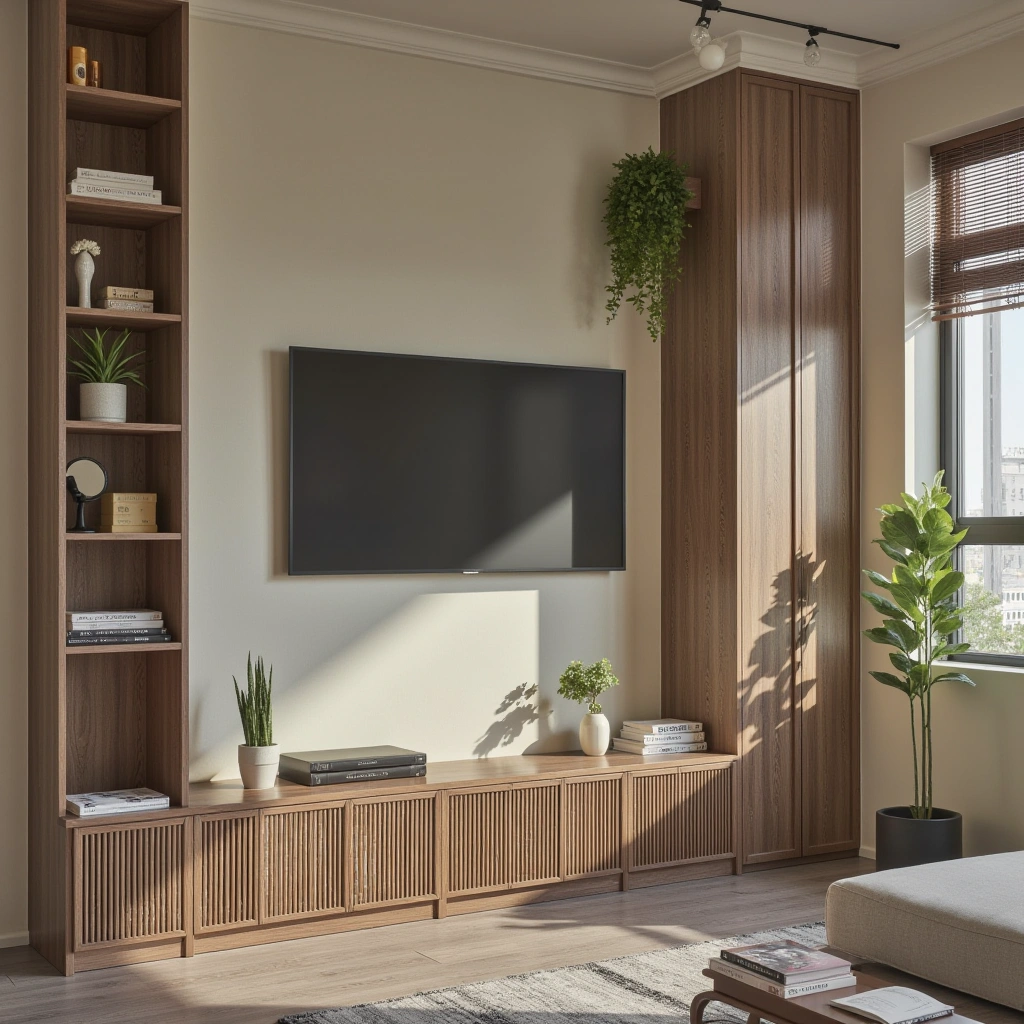
If floor space is limited, look up! Vertical storage solutions help keep clutter off the floor and add visual interest.
Install floating shelves for books, plants, or decorative items. Tall, narrow bookcases fit perfectly in corners without overwhelming the room. Use wall-mounted cabinets for hidden storage.
Colors and materials should complement your walls to avoid visual clutter—think matching wood tones or painted shelves.
Tip: Add lighting under shelves to highlight your displays and make the room feel taller. This works well in traditional and rustic home designs.
Now, let’s talk about lighting to brighten your space.
4. Layered Lighting: Brighten Up Every Corner
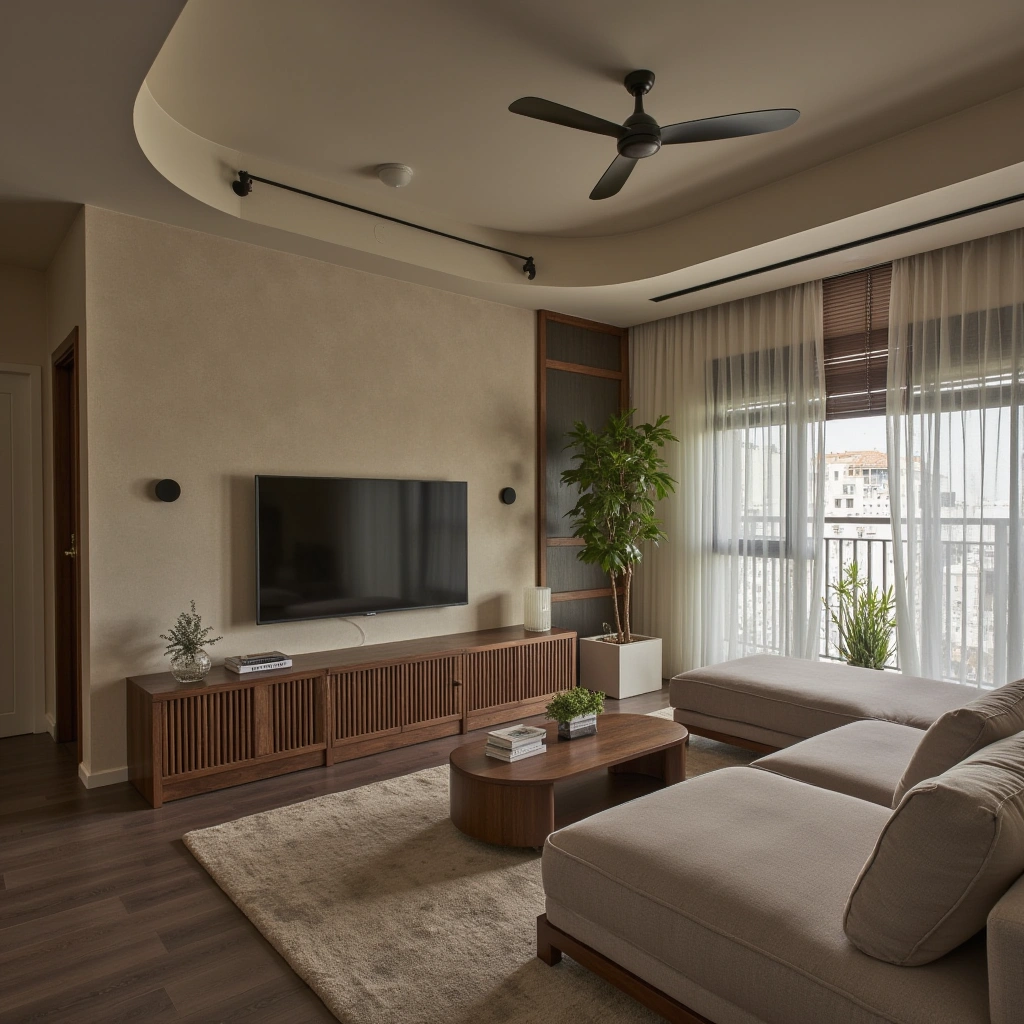
Lighting can make or break a small living room. Layering different light sources—ambient, task, and accent—creates depth and warmth.
Start with overhead LED fixtures or recessed lighting for general illumination. Add table lamps or floor lamps near seating for reading. Use wall sconces or string lights to highlight art or architectural features.
Choose warm white bulbs to create a cozy atmosphere, and consider dimmers for flexibility.
Tip: Mirrors placed opposite windows boost natural light and make the space feel bigger. This technique blends well with both modern and traditional interiors.
Next, we’ll explore cozy color palettes perfect for single wide living rooms.
5. Cozy Color Palettes: Warm Tones That Expand the Room
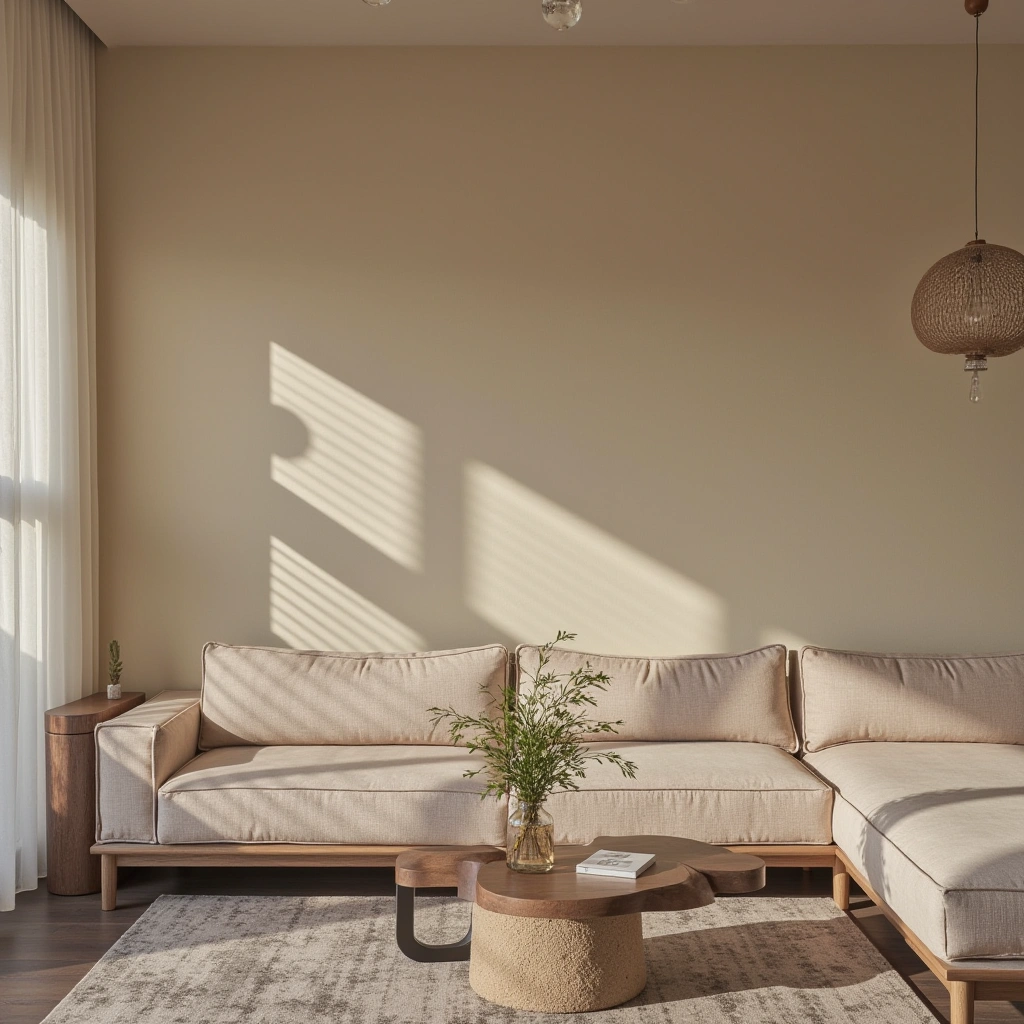
Colors have a huge impact on how spacious your room feels. For single wide living rooms, light and warm tones work best to open up the space and add comfort.
Soft creams, sandy beiges, and gentle greys create an airy backdrop. Accent with muted blues, sage greens, or blush pinks to add personality without overwhelming.
Use these colors on walls, furniture, and accessories for a harmonious look.
Tip: Avoid dark, heavy colors that close in the room. Instead, add pops of darker hues in small decor pieces like cushions or artwork for contrast.
Up next: How to arrange furniture for maximum flow.
6. Furniture Arrangement for Flow: Keep It Open and Inviting
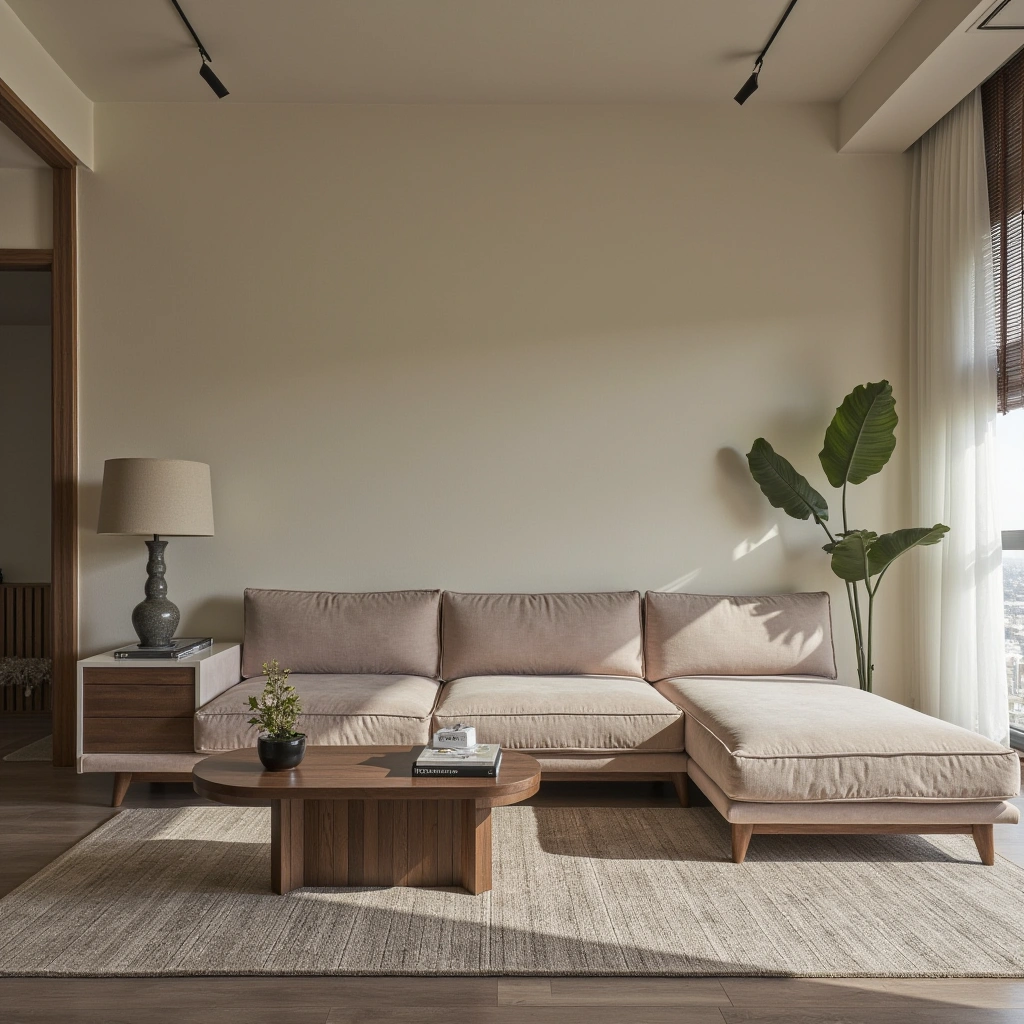
Proper furniture placement is key to making your living room feel roomy. In single wide layouts, arrange seating along the longer walls to open pathways.
Avoid blocking windows or doors. Use slimmer furniture to maintain space. Position sofas facing each other or at angles to encourage conversation.
Tip: Floating furniture away from walls creates the illusion of more space and allows better traffic flow. This approach works beautifully in both modern and eclectic styles.
Now, let’s see how to add personality with artwork and decor.
7. Statement Walls and Artwork: Personalize Without Overcrowding
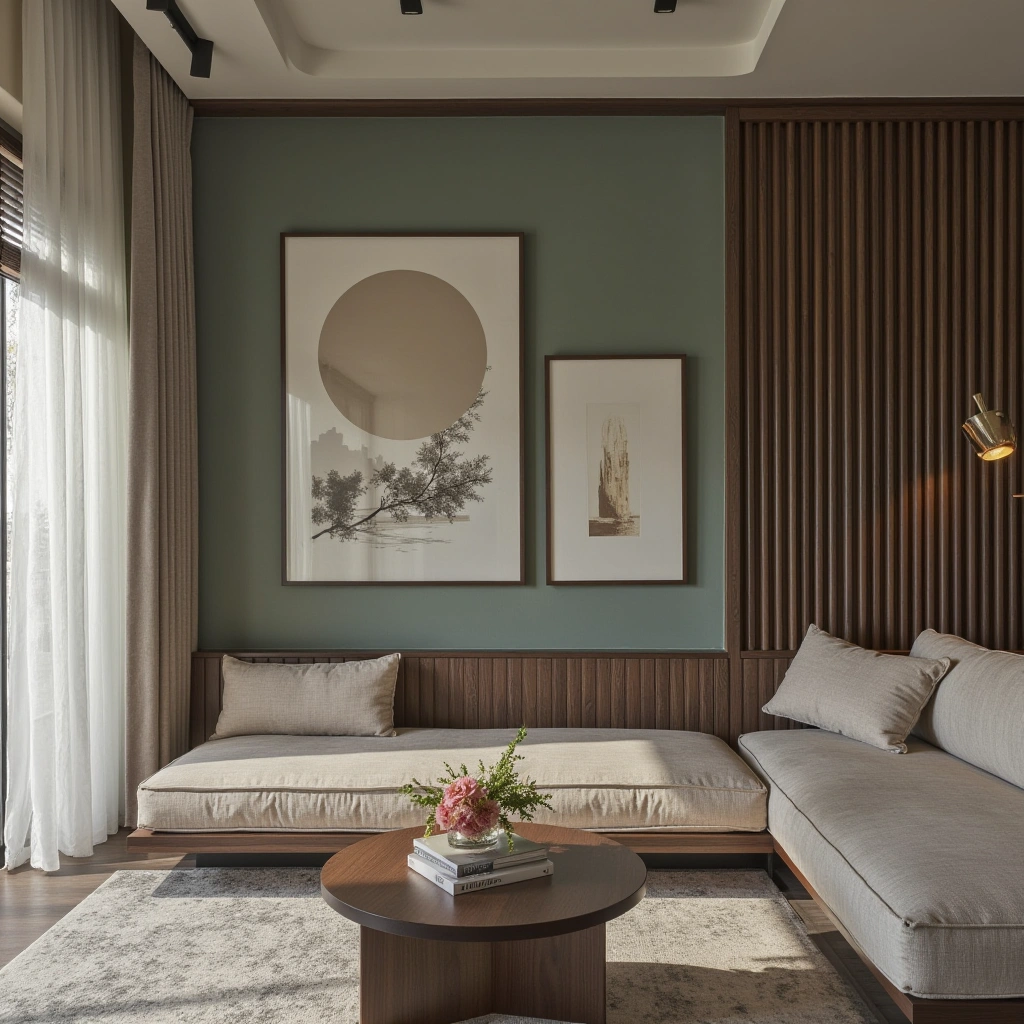
A statement wall can add depth and character without clutter. Choose one wall to paint a bold color or add wallpaper with subtle patterns.
Hang oversized artwork or a gallery wall with framed prints to create a focal point.
Keep the rest of the room simple to avoid visual chaos.
Tip: Use slim frames and light mats to keep artwork feeling light. Incorporate textures like woven baskets or macrame for added warmth.
Coming up: The magic of plants in small spaces.
8. Indoor Plants: Bring Life and Freshness
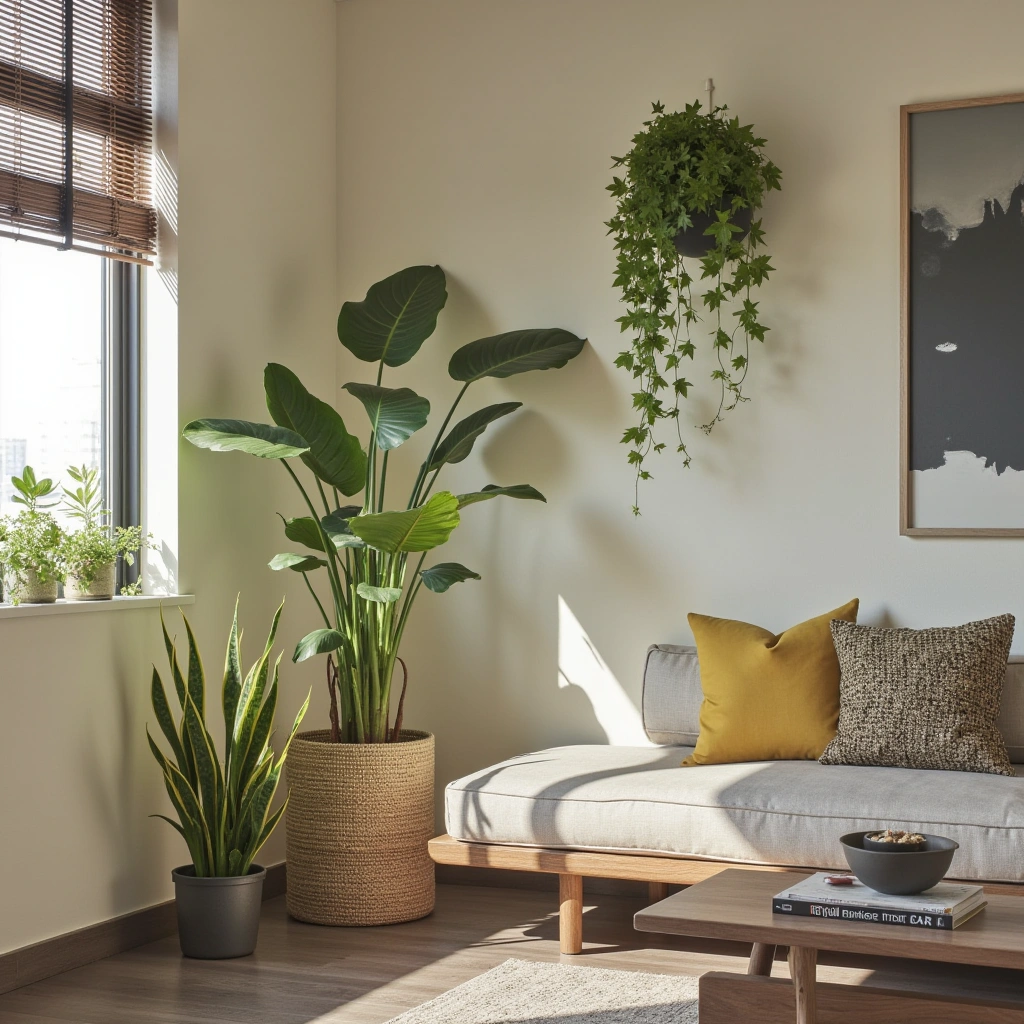
Plants are a fantastic way to add life to your living room while improving air quality. Choose compact, low-maintenance varieties like snake plants, pothos, or succulents.
Use hanging planters or wall-mounted holders to save space. Place larger plants in corners to soften edges.
Tip: Group plants in different heights to add dimension and interest. Plants work well in any design style, from boho to farmhouse.
Next, let’s talk about window treatments that enhance natural light.
9. Light, Airy Window Treatments: Maximize Natural Light
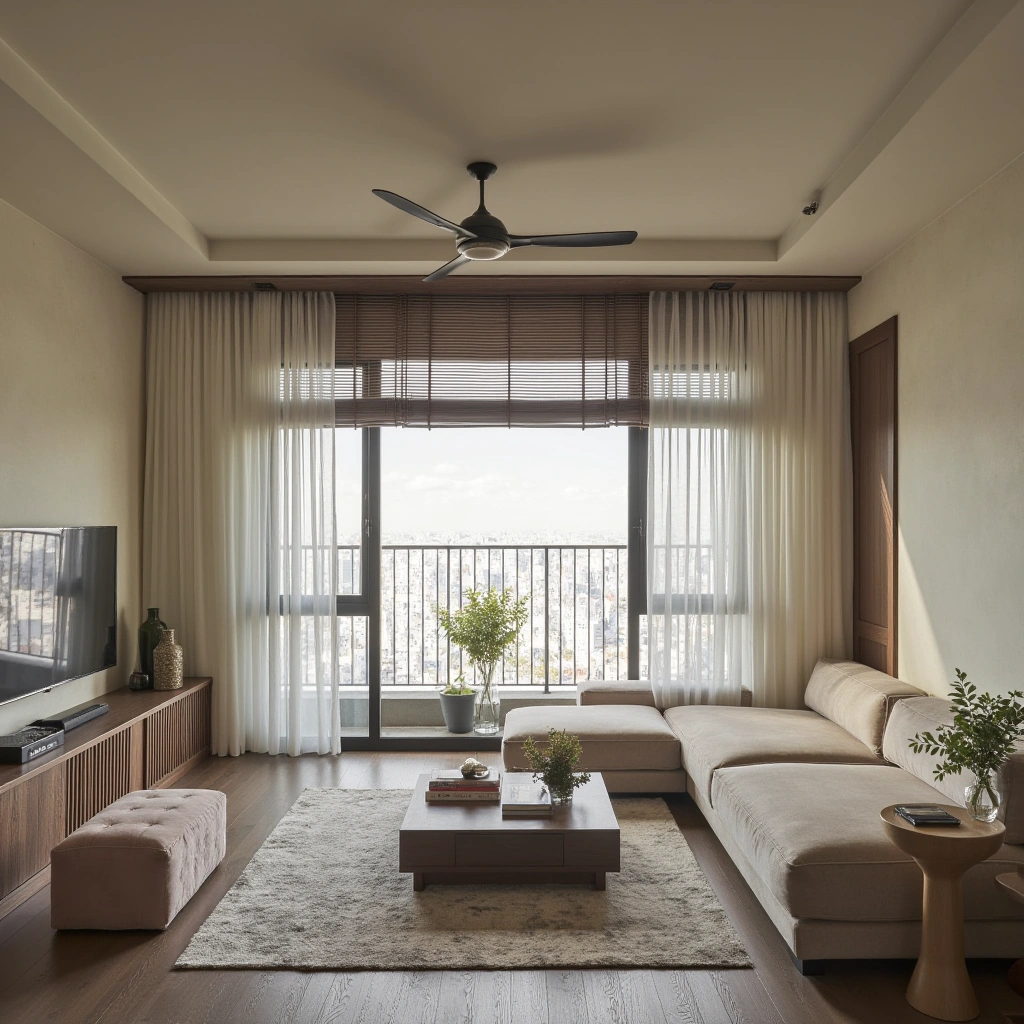
Heavy drapes can shrink a room, so opt for light, sheer curtains or blinds that let sunlight in.
Mount curtain rods close to the ceiling and extend beyond the window frame to make windows appear larger.
Use neutral colors or soft patterns to keep the look fresh.
Tip: Tie curtains back during the day to keep the room bright and open. This tip suits modern, coastal, and Scandinavian interiors.
Finally, let’s explore how to incorporate texture for a cozy touch.
10. Texture and Layering: Add Warmth and Depth
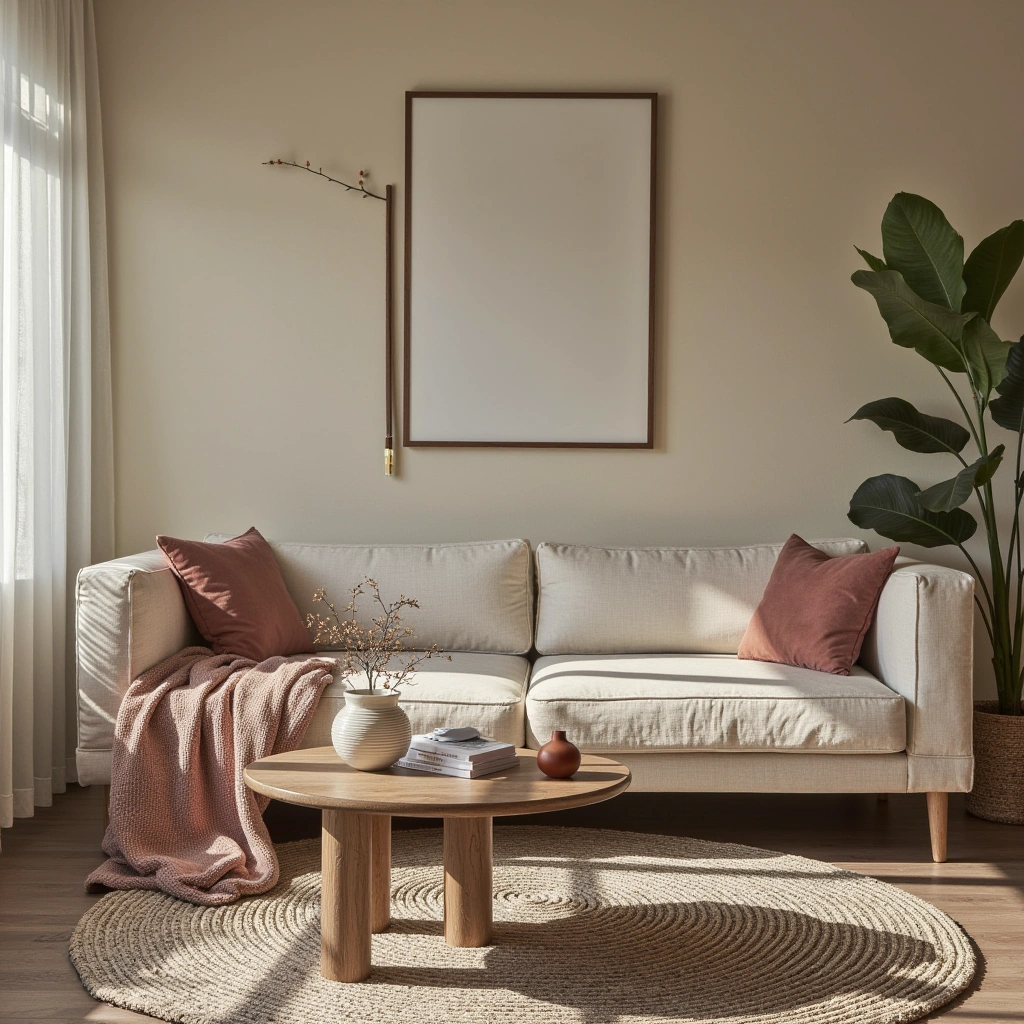
Texture adds dimension and coziness to your living room without taking up space. Mix materials like soft rugs, knitted throws, velvet cushions, and wooden accents.
Layer rugs or combine different textiles for a tactile experience. This makes the room feel inviting and lived-in.
Tip: Stick to a cohesive color scheme when layering textures to avoid a cluttered look. Texture works well across all design styles, especially rustic and bohemian.
Wrapping Up: Make Your Single Wide Living Room Shine
Designing a living room in a single wide home doesn’t have to be a challenge. By using the right furniture, clever storage, layered lighting, and thoughtful decor, you can create a space that’s both beautiful and functional.
Remember, the key is to keep things light, airy, and purposeful. With these 10 single wide living room ideas, you’re well on your way to transforming your space into a cozy, stylish retreat that feels much larger than it really is.
Now, go ahead and start experimenting with these tips—your perfect single wide living room is just around the corner!
